Morbid Stories
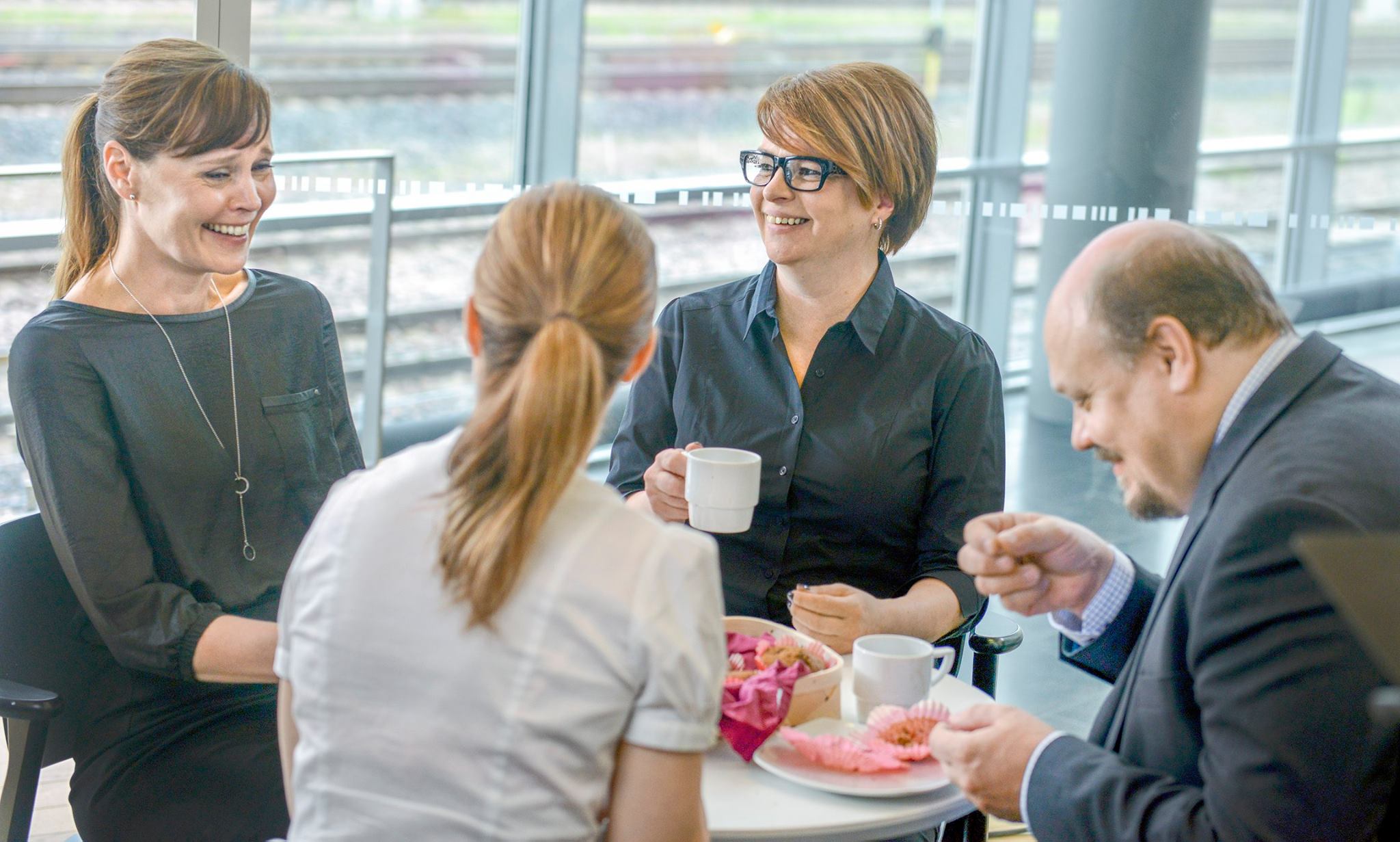
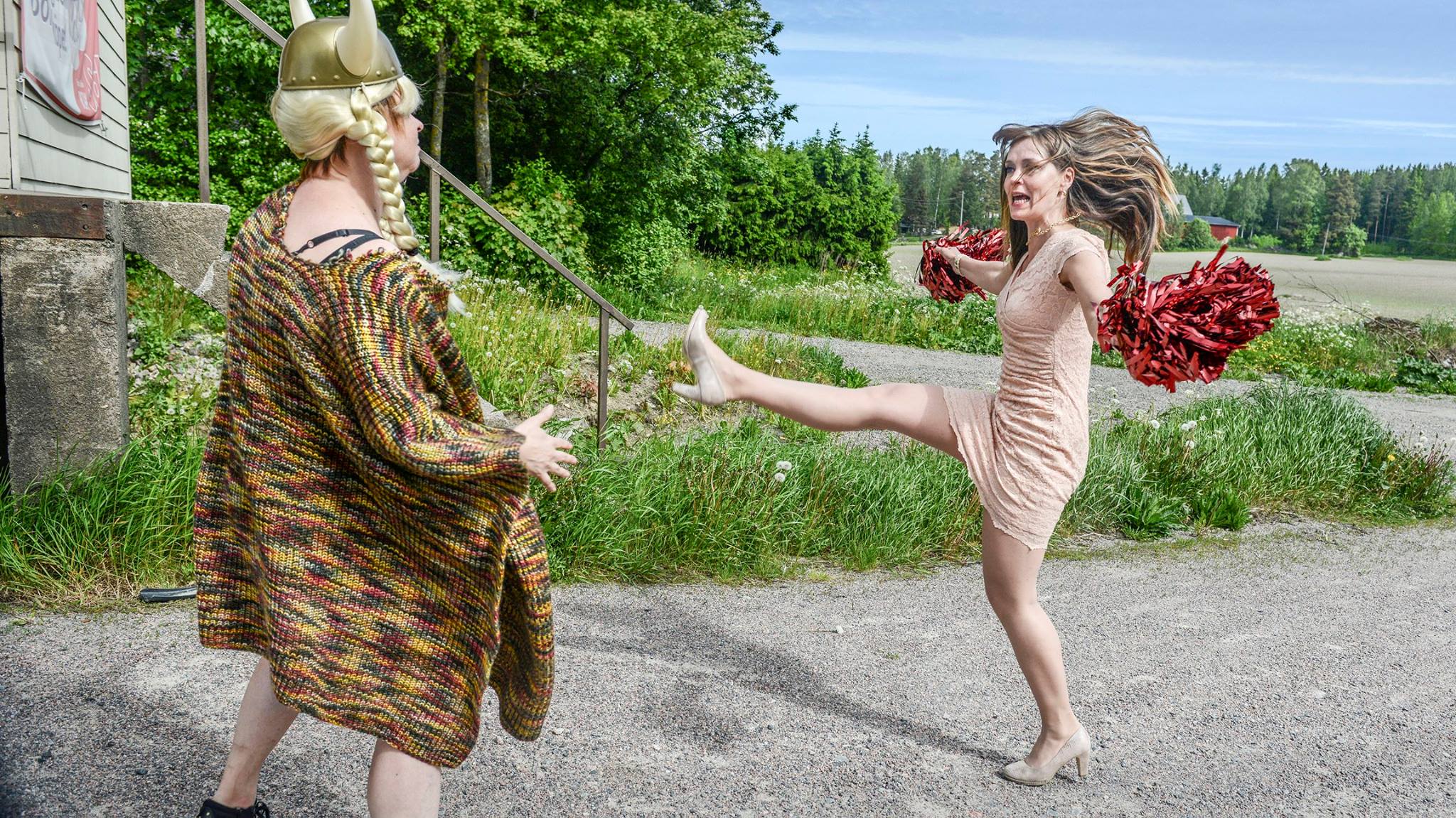
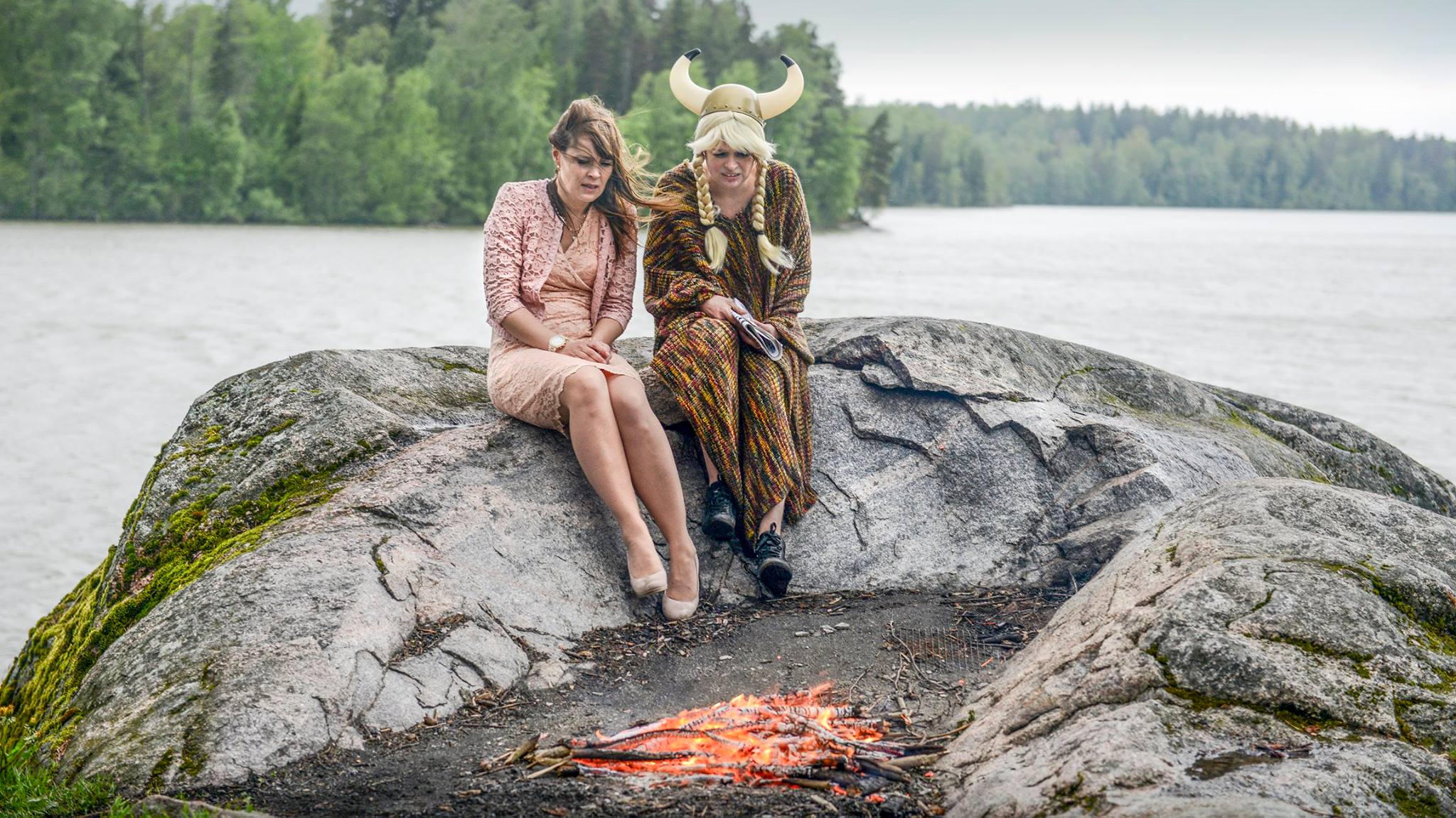
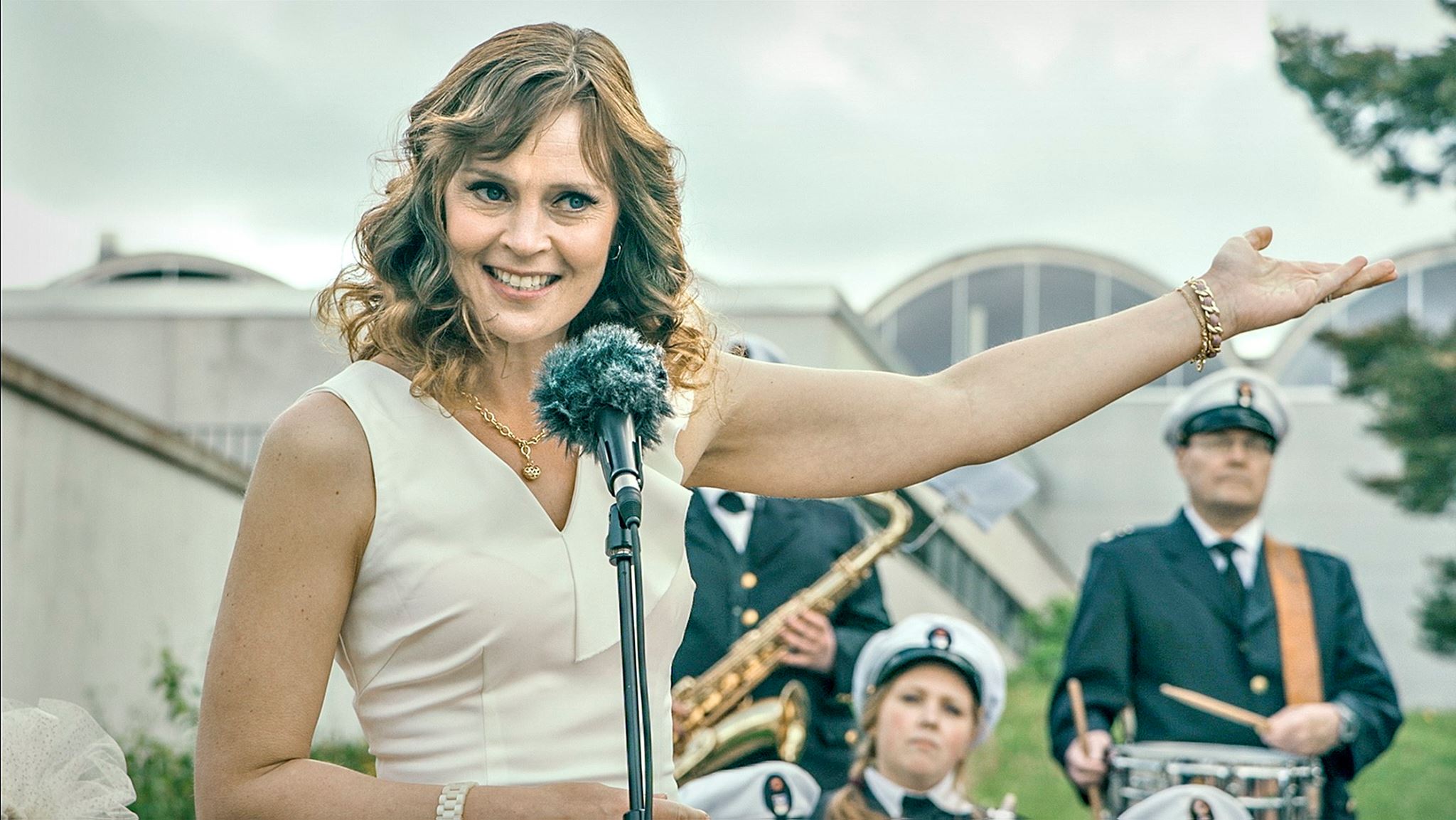
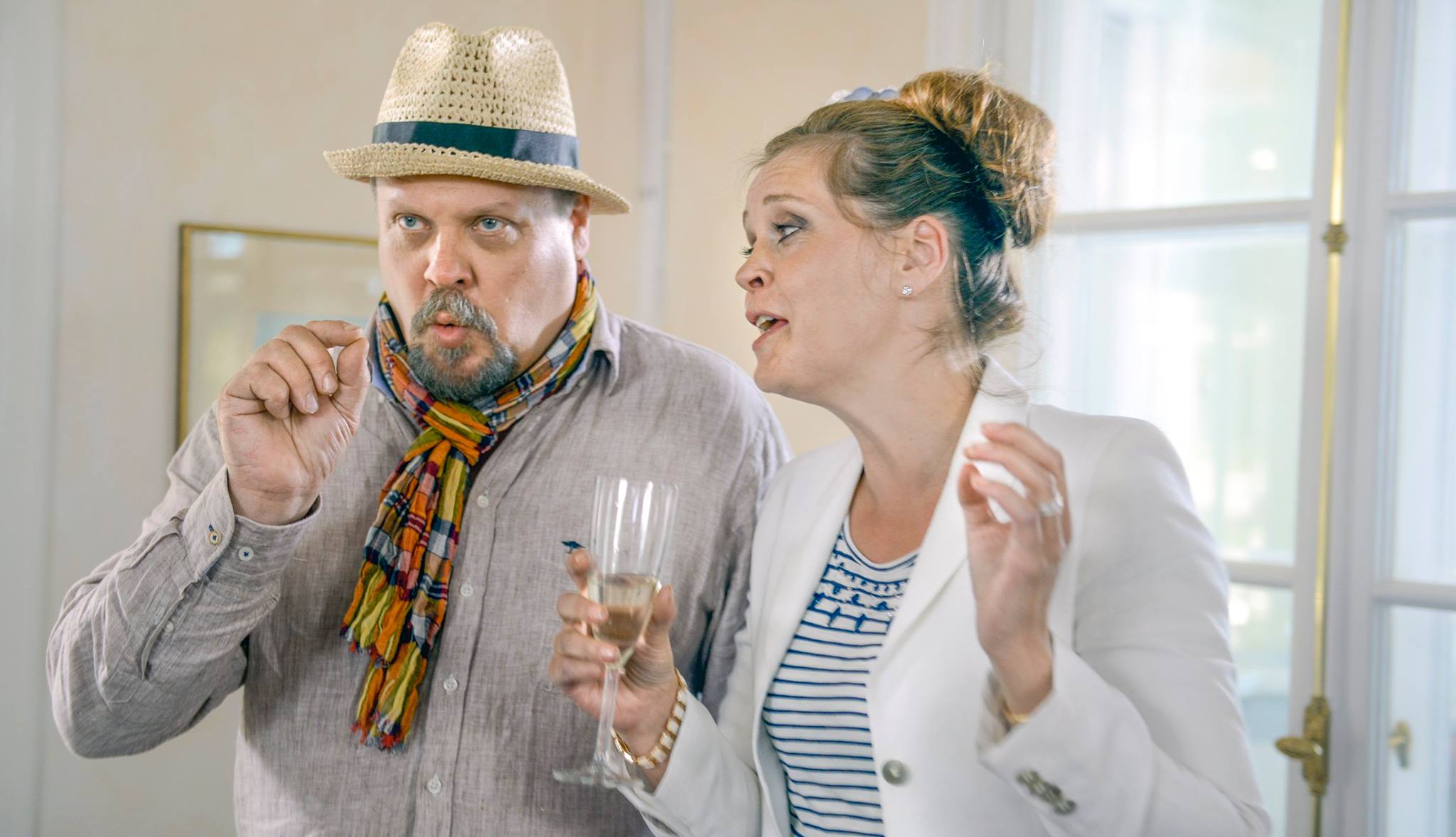
Morbid Stories is a four-part black comedy that parodies contemporary phenomena such as the pressure to succeed and gender roles - to excess, of course. The comedy's screenwriter Tiina Lymi has built the roles of the actors to be suitably mixed. Each episode features Elina Knihtilä, Hannu-Pekka Björkman and Ville Tiihonen in addition to Lymi. Lotta Kaihua also plays several roles.
Screenwriter Tiina Lymi: "A comedy of ill will"
For screenwriter Tiina Lym, Morbid Stories is her first tv She describes the series as a playful comedy of ill will.
"Morbid Stories is a comedy that makes you laugh while causing a bit of heartbreak. Its world is full of smaller people and their personal motivations; a casual sentence or a small act can take on huge proportions in someone else's life."
"The world of the series mirrors the real world through the caricatures, and the viewer may recognise a piece of their own reality in the hilarious and unrealistically macabre situations," says Lymi.
"They came like a Christmas present"
The episodes in the series are separate entities, but cross over from time to time.
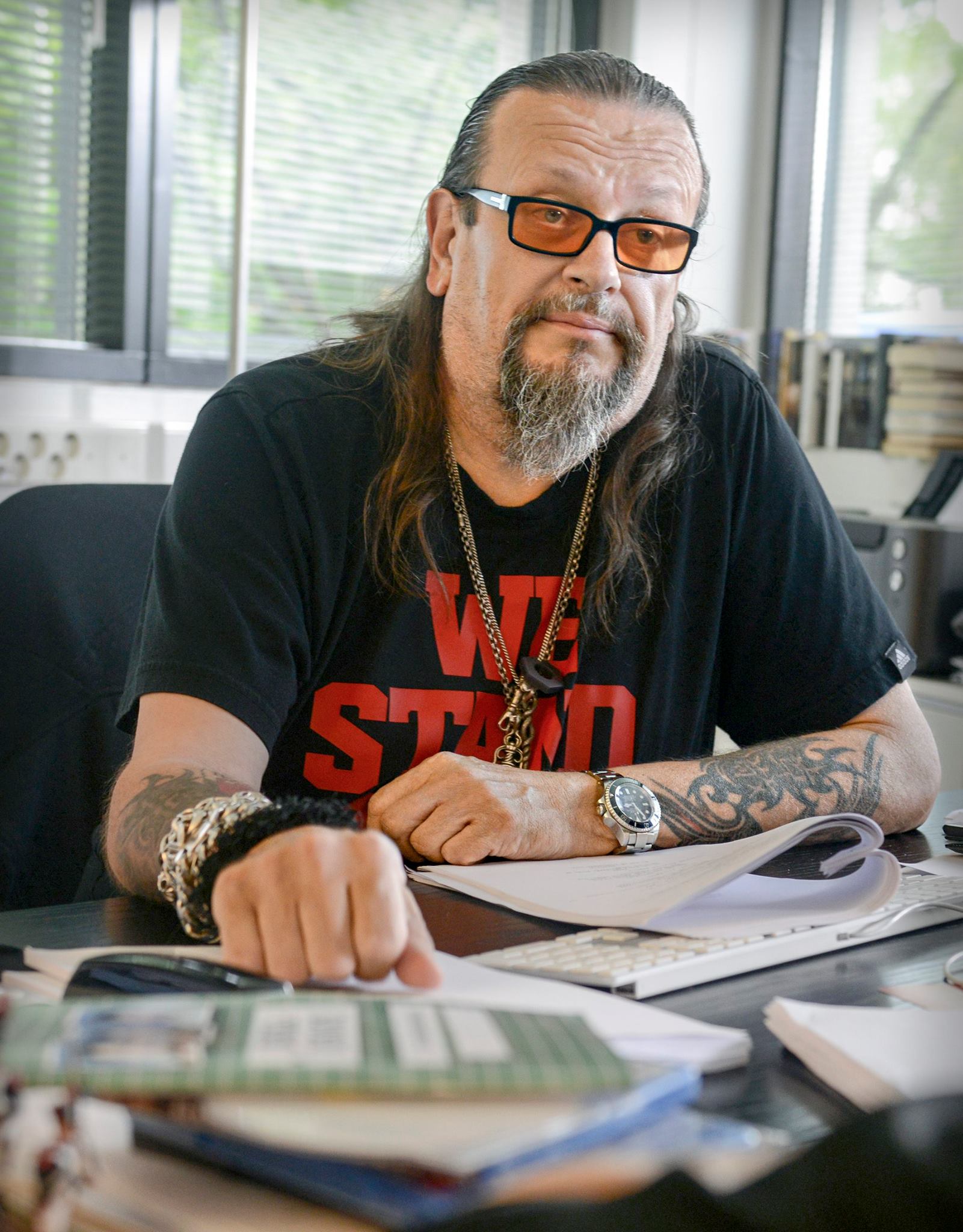
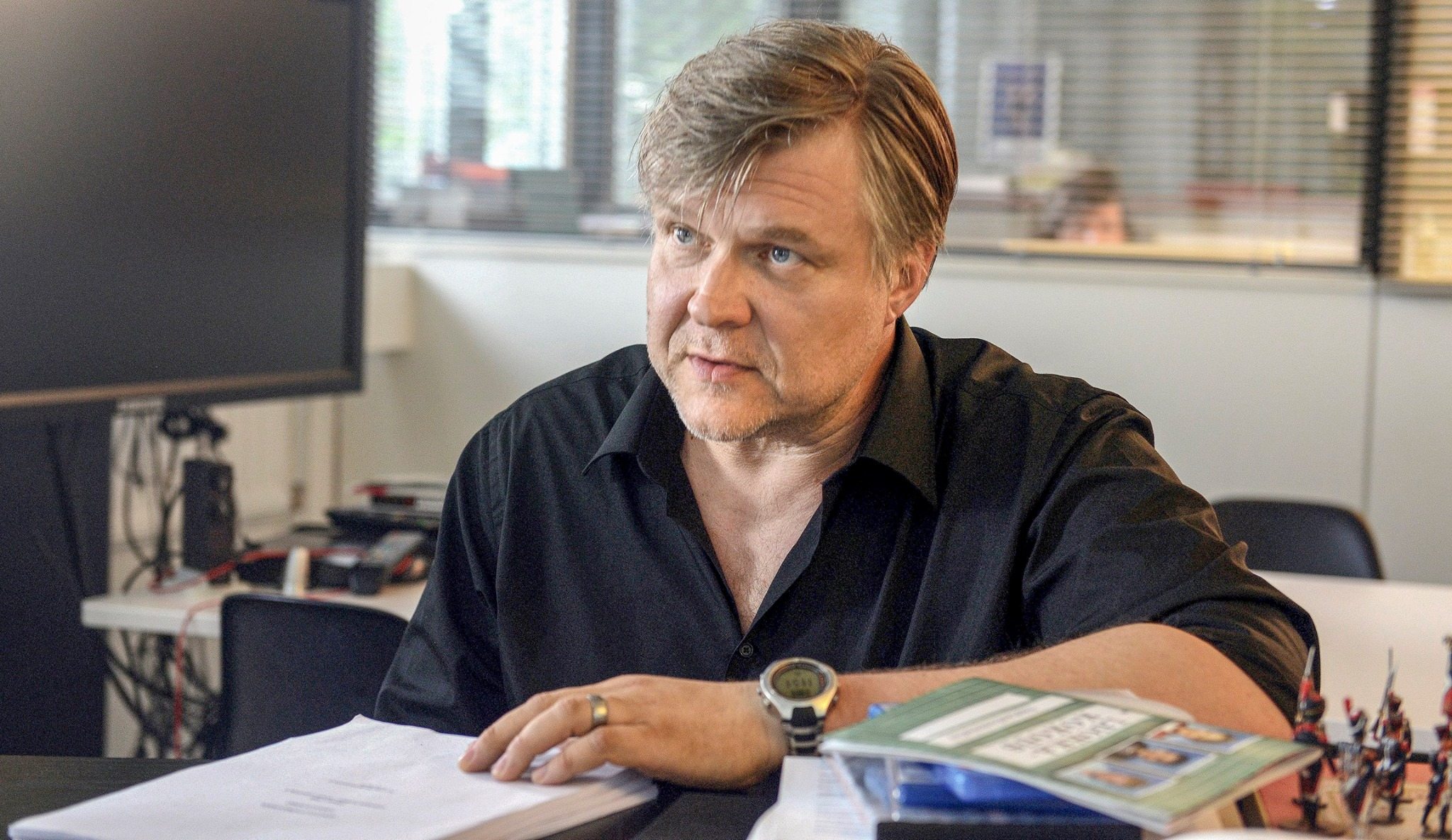
"The first three episodes of the series are stand-alone stories. The fourth episode brings together the making of the series in the form of a kind of documentary, in which we, the creators of the series, appear under our own names," says series director Petri Kotwica.
"For years I've dreamed of making a comedy. Tiina Lym's twisted and ingenious texts and a stunning ensemble came to me like a Christmas present," Kotwica continues.
The series is shot by Harri Räty and produced by Rimbo SalomaaSolar Films, 2016.
1. Friends and influence
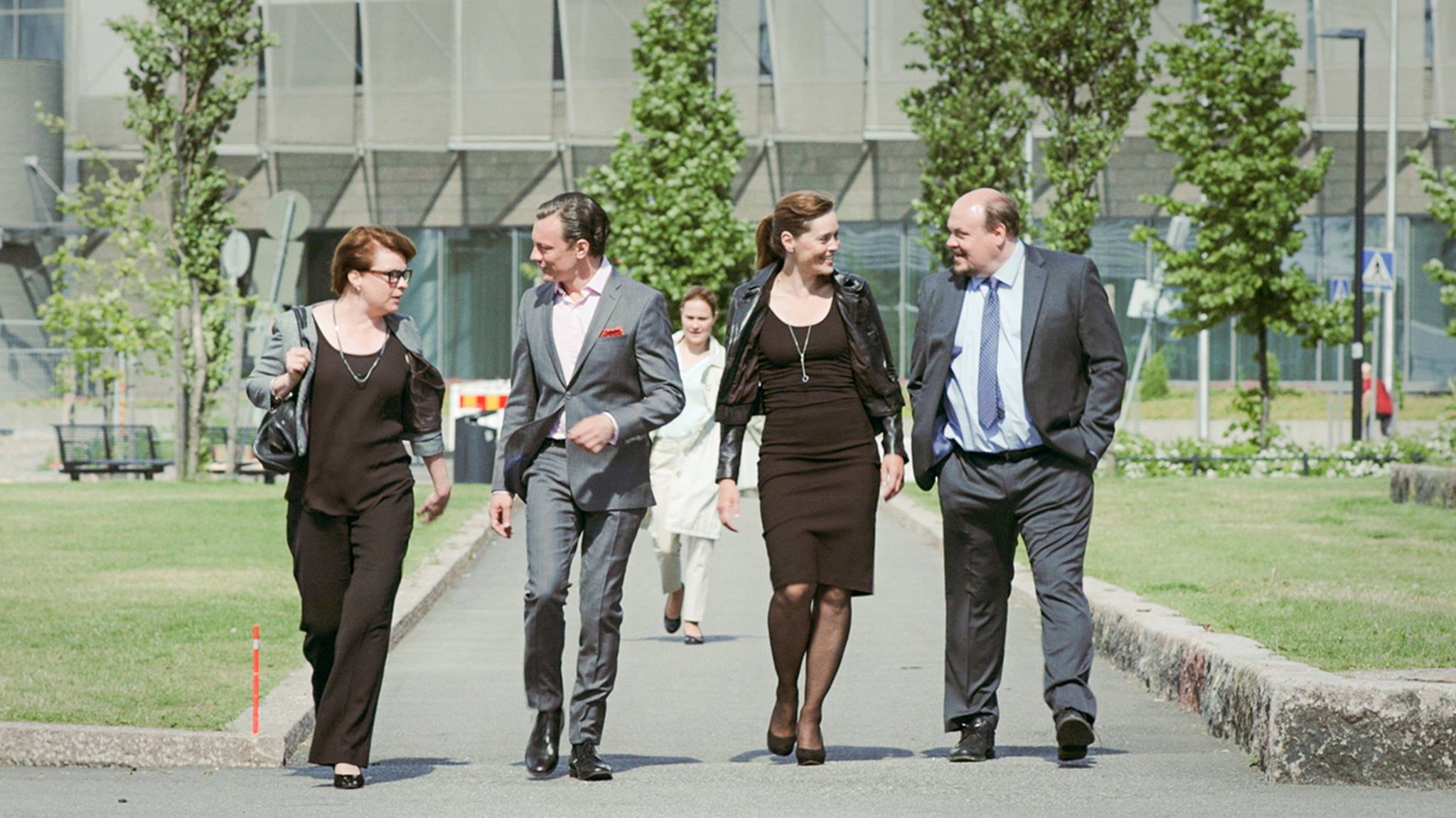
The story of the first episode takes a peek into the everyday lives of well-to-do people in the world of banking - a party.
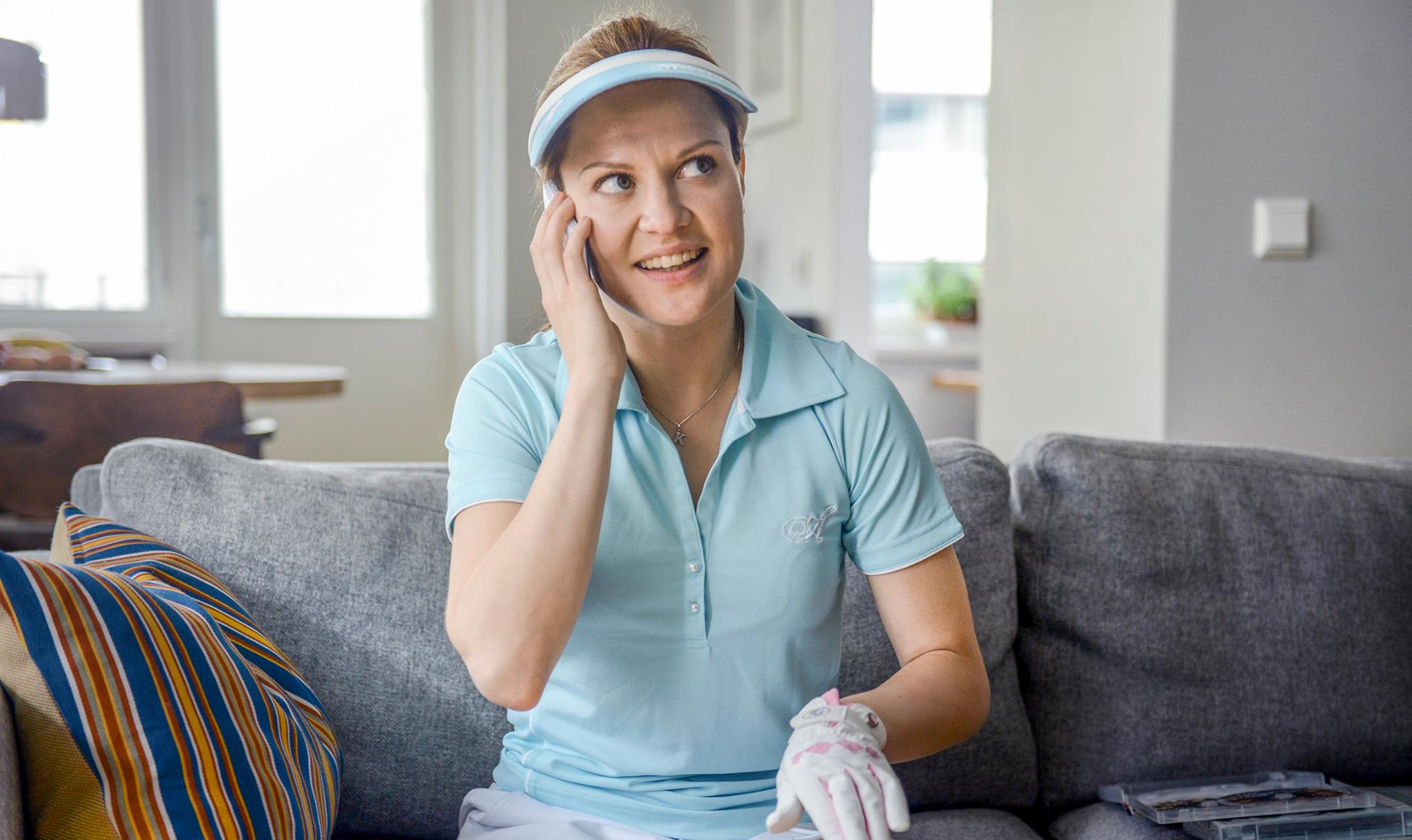
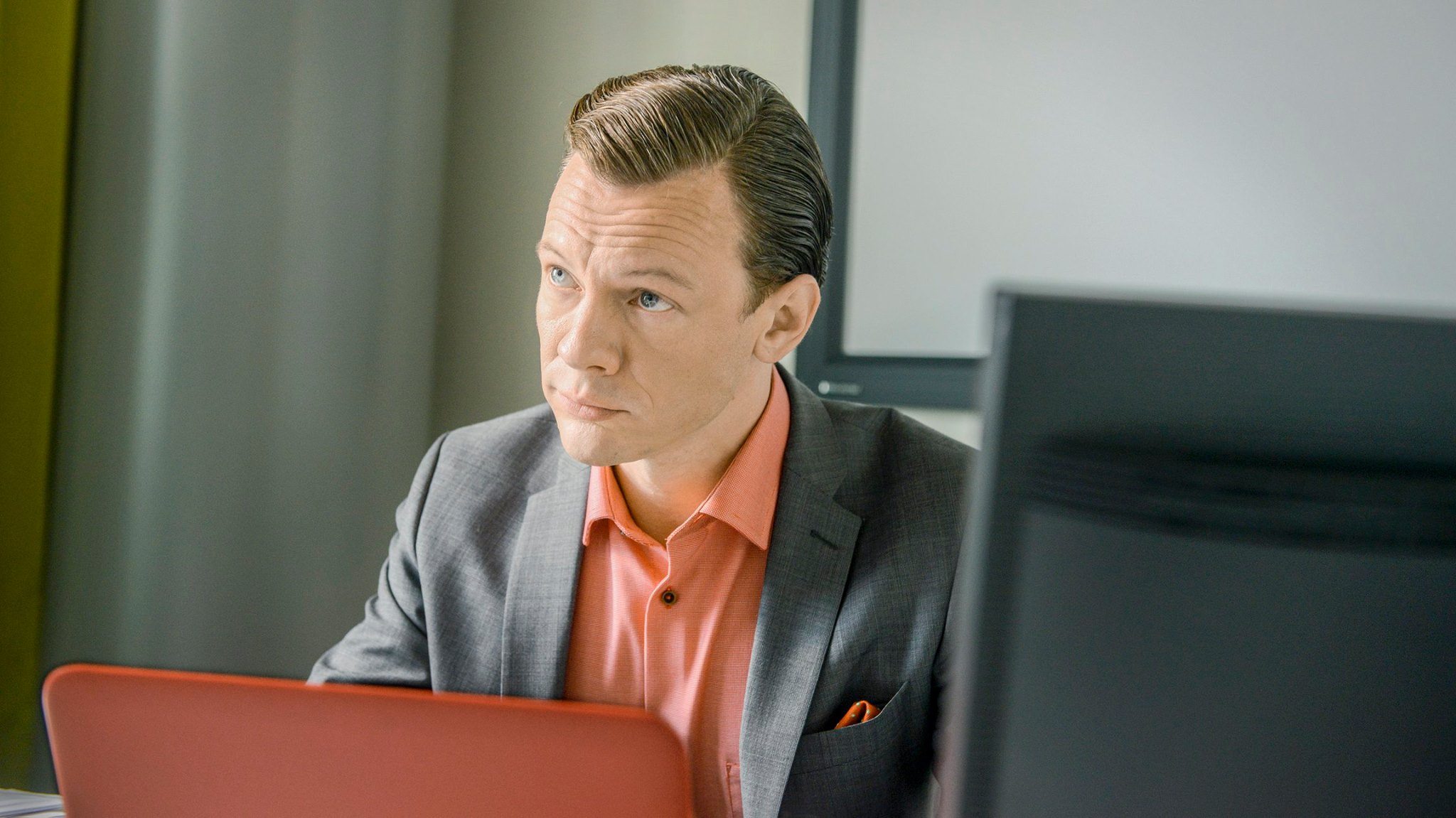
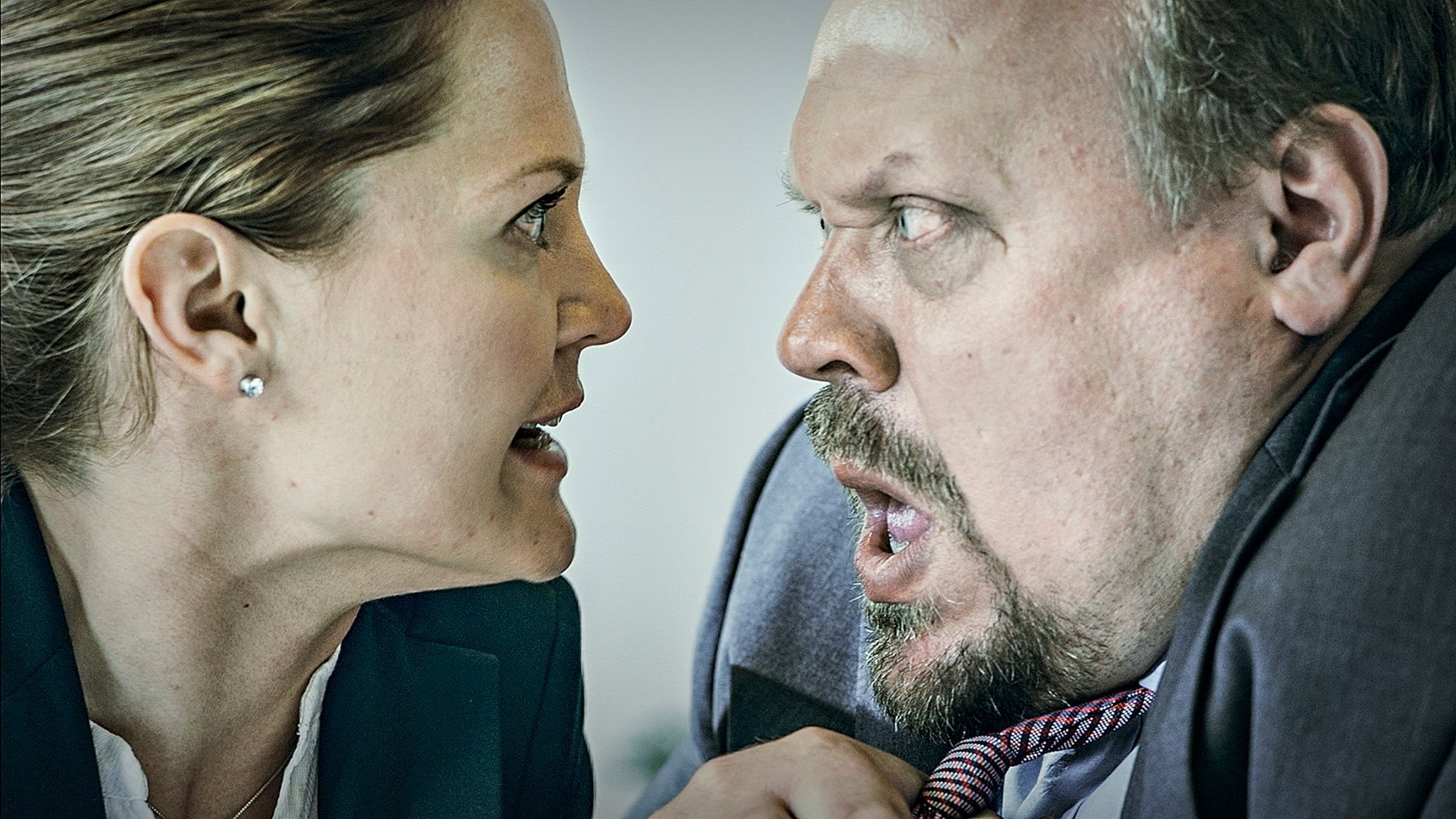
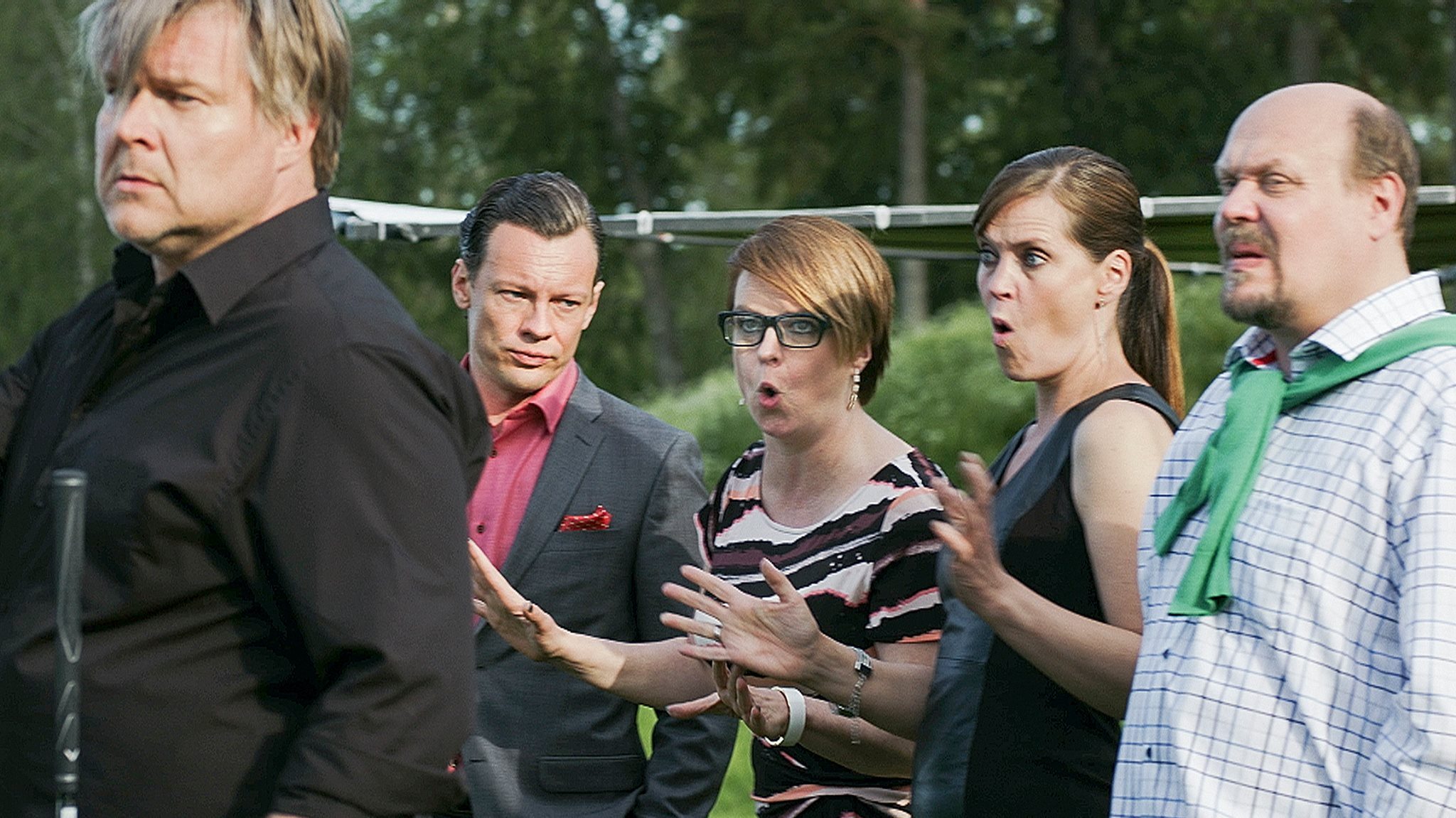
Assistant Kirsi (Lotta Kaihua) has an endless crush on her boss Klaus (Ville Tiihonen), whose life is a success on the golf course, in business and in the world of women.
Kirsi is not a wordsmith, but she is trying to make it among the trendy success stories that are cultivated by the trendy, successful ones. For the rest of the workforce, it's easy and everyday. They are not thrilled by Kirsi's intrusion but want to keep their clique small.
The story uses comedy to explore workplace bullying, pressure to succeed, opportunities for advancement, careerism, workplace hierarchy, lack of situational awareness and friendship.
2. Hockey wife
In the second episode, we meet AnneTiina Lymi), a woman from Lappeenranta who lives in the SM-liiga for her husband, who is pursuing a career. Her dreams have been left behind in the 80s and everyday life in a small town has been lived on the terms of her husband's career.
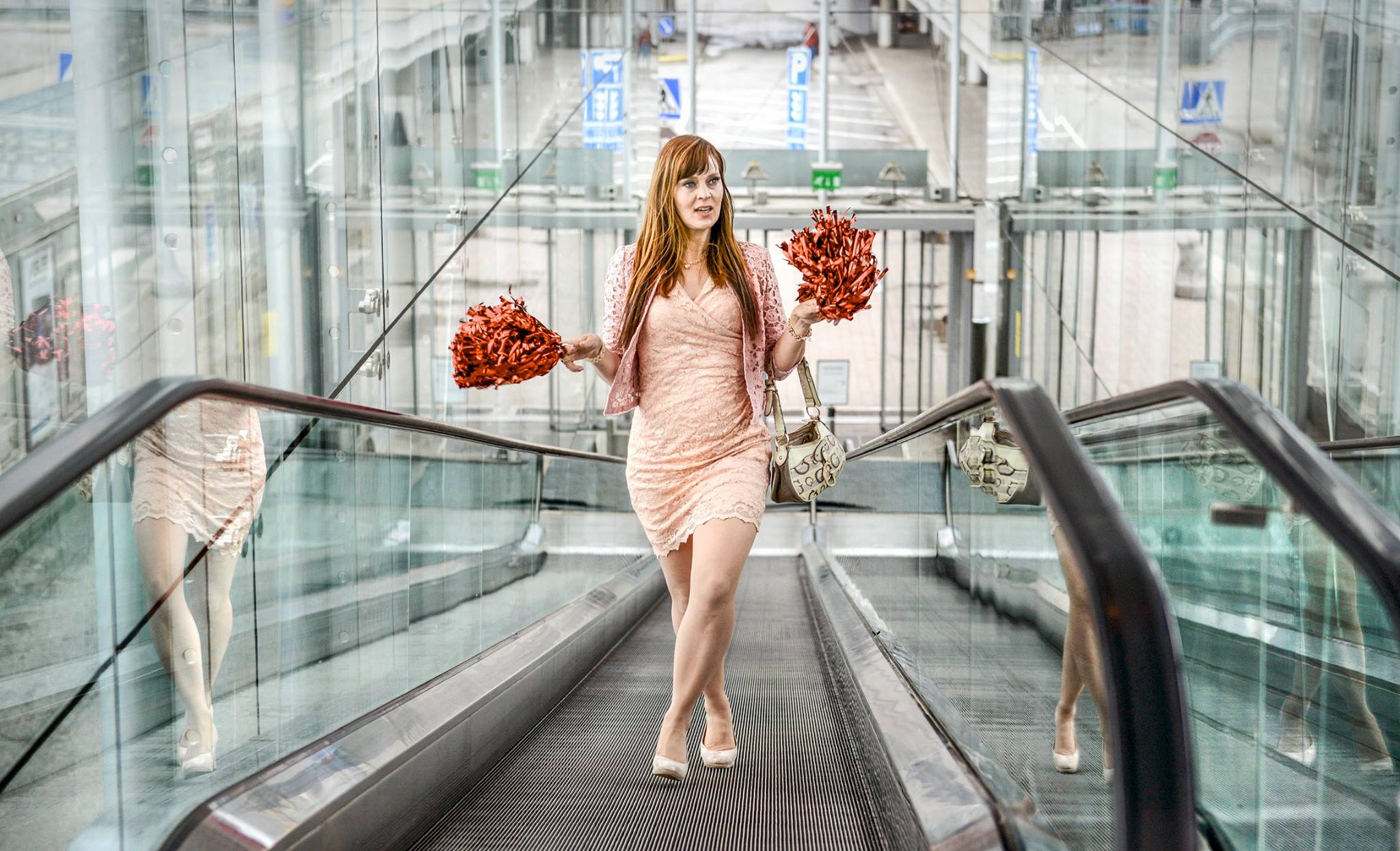
When Pirjo (Elina Knihtilä), Anne's best childhood friend and wife of the NHL star, arrives from America for an event in honour of her husband, there is no end to Anne's fussiness.
She has planned everything for Pirjo down to the last detail - from the seating arrangements to the Karelian pies. Externally, everything should be in order. As dreams are shattered and facts are revealed, an old friendship is seen in a different light.
3. The Midsummer portfolio
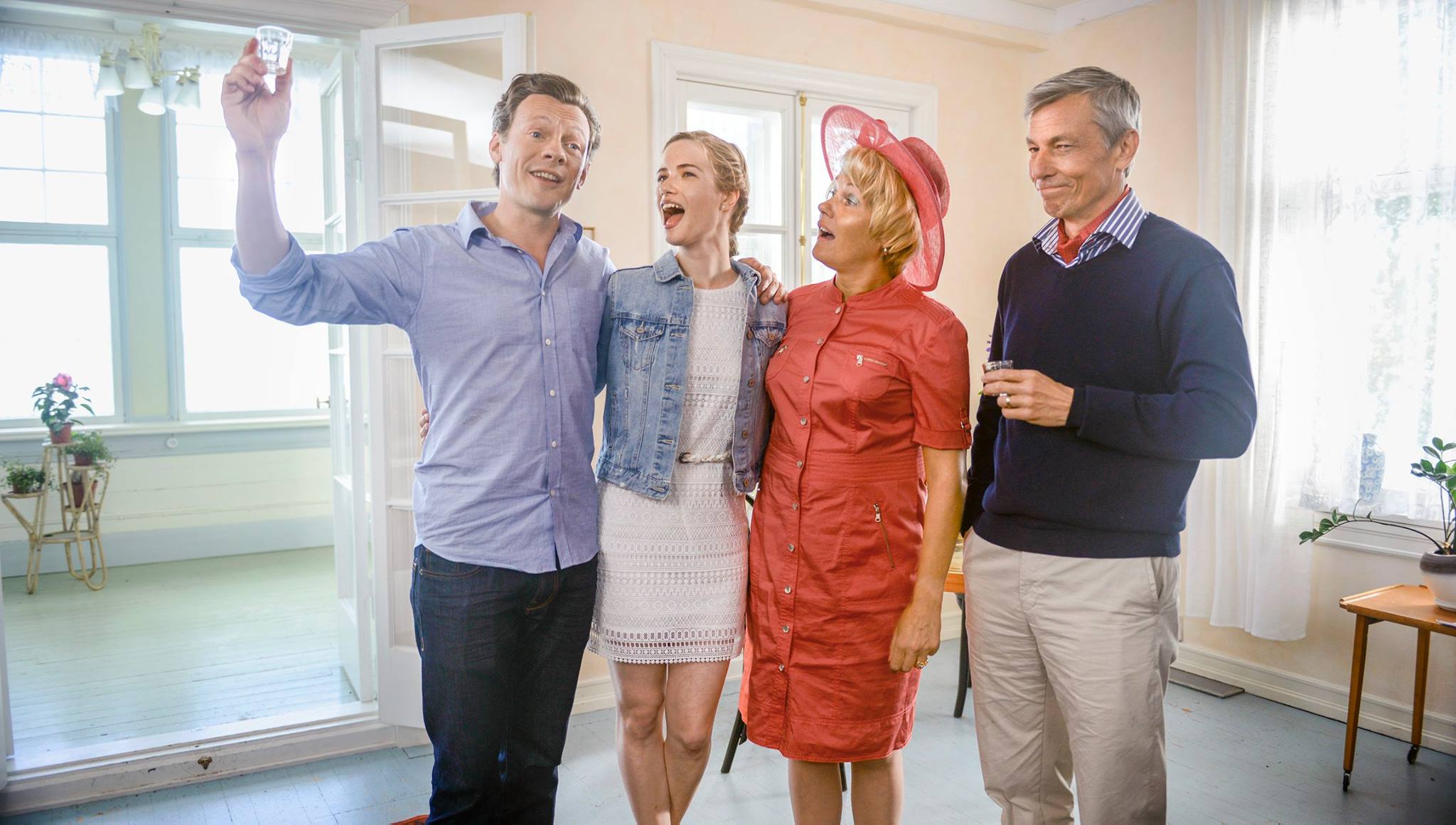
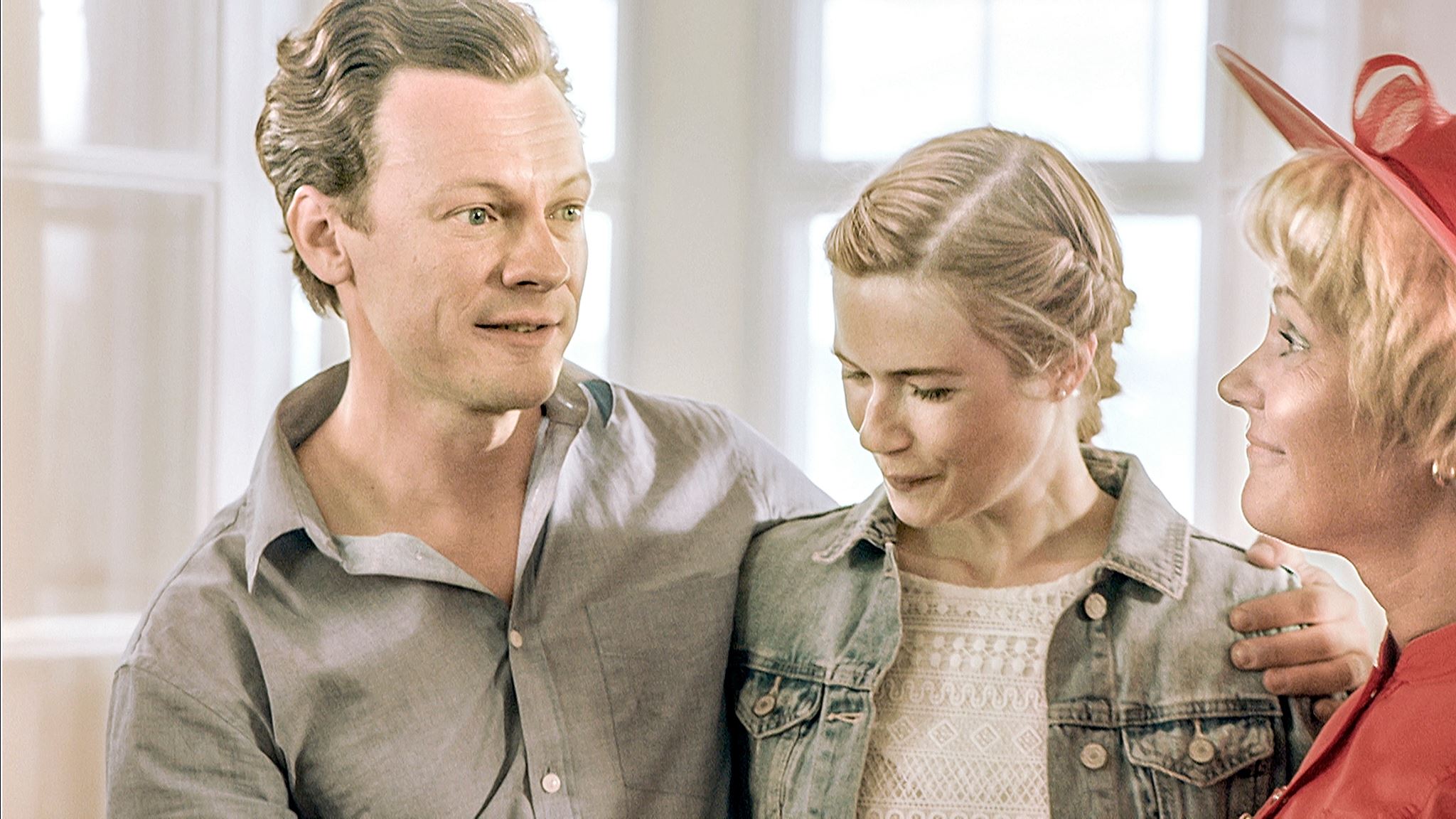
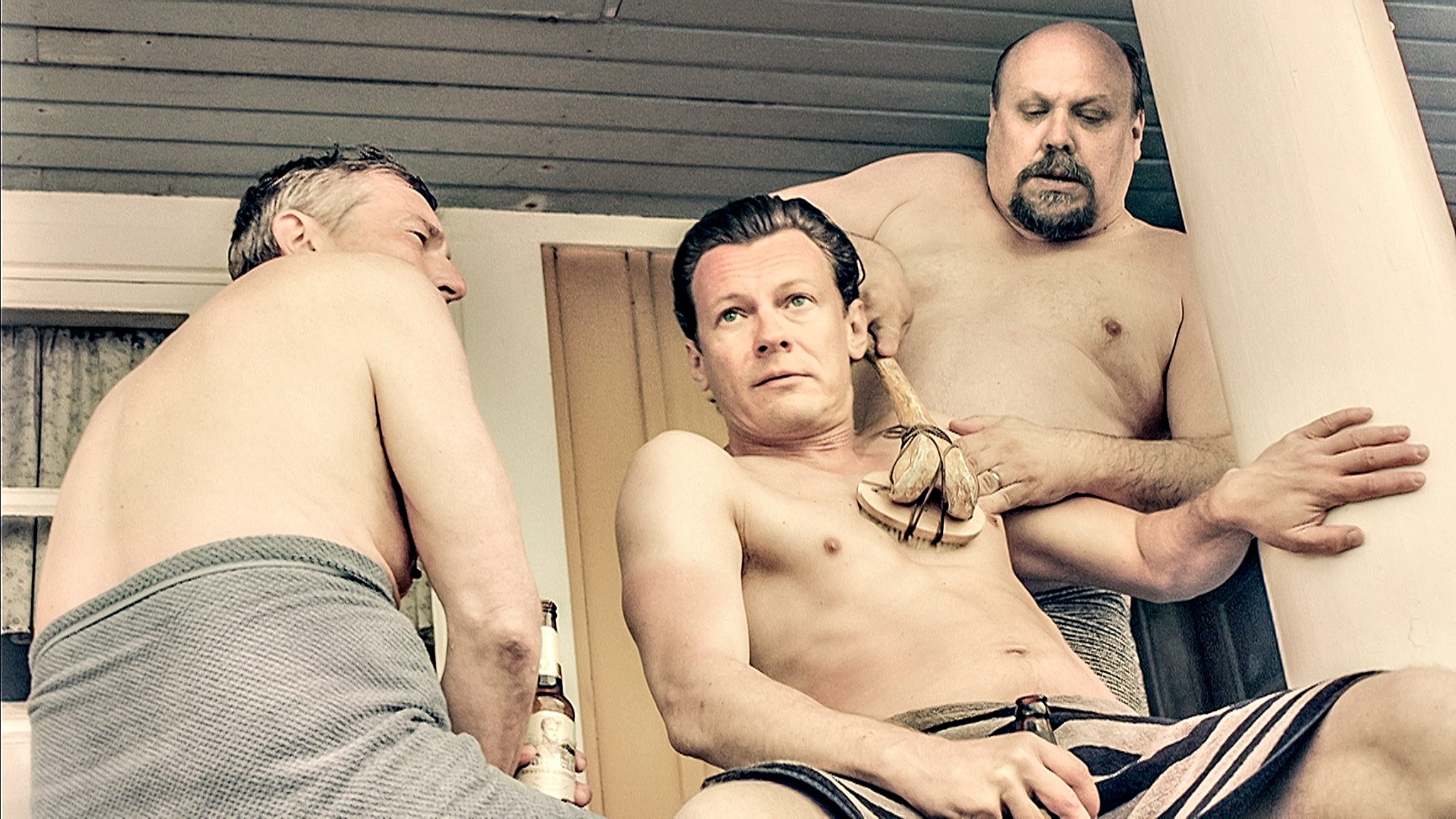
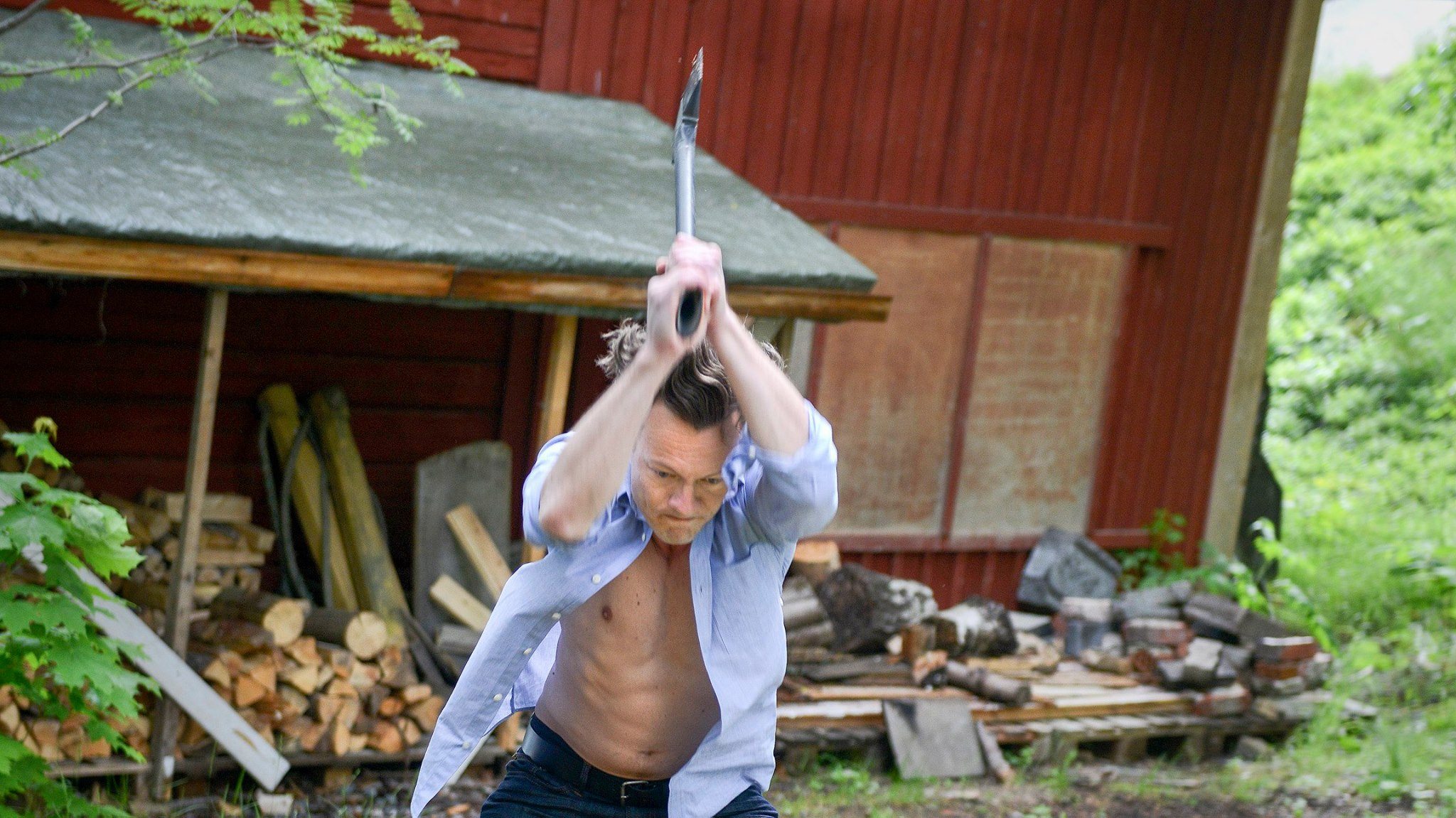
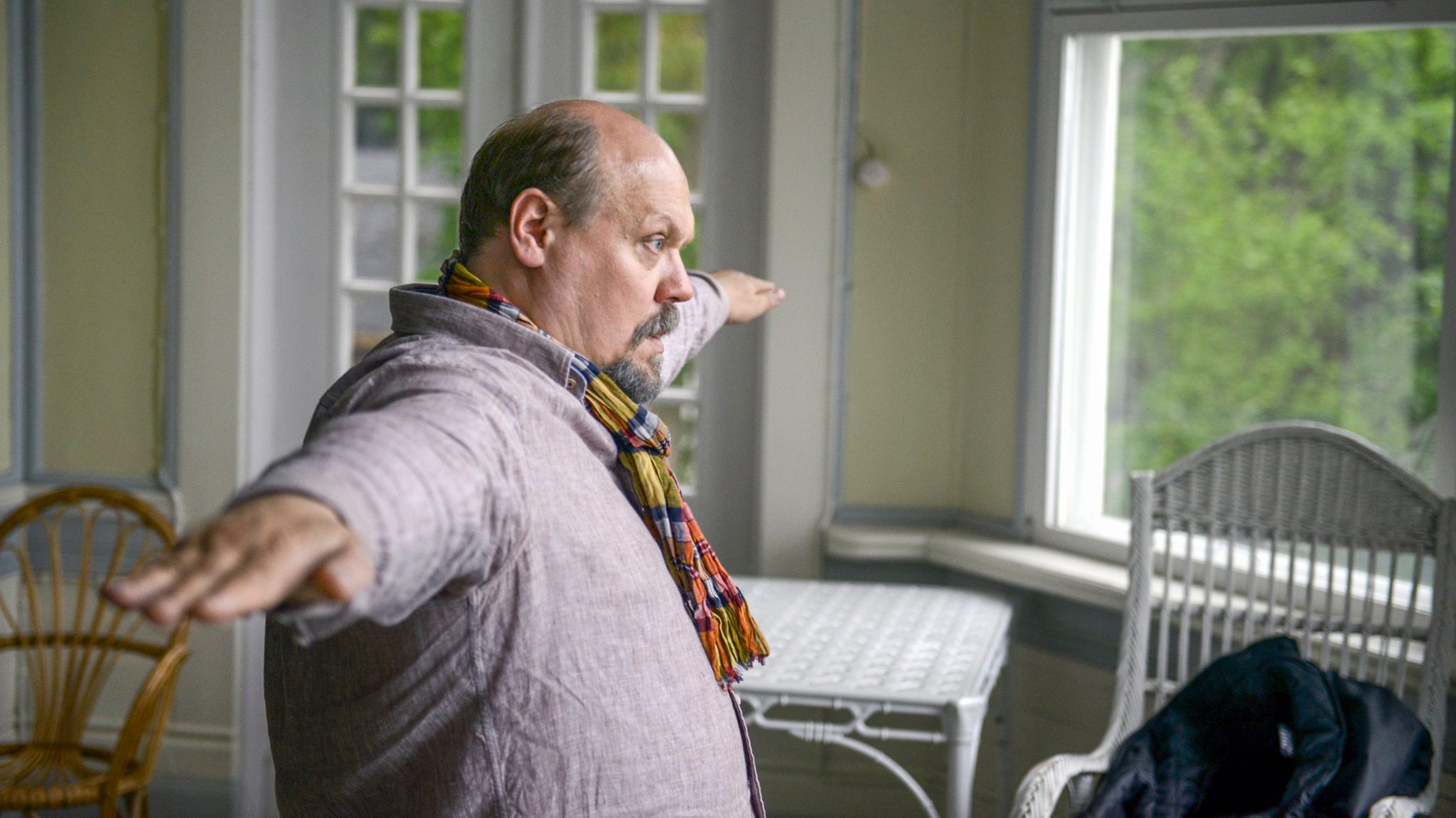
In the third episode, Mikko (Ville Tiihonen) is working in the gaming industry and believes he will soon break big and make big money. The problem is, he needs a business angel who is willing to invest the missing money.
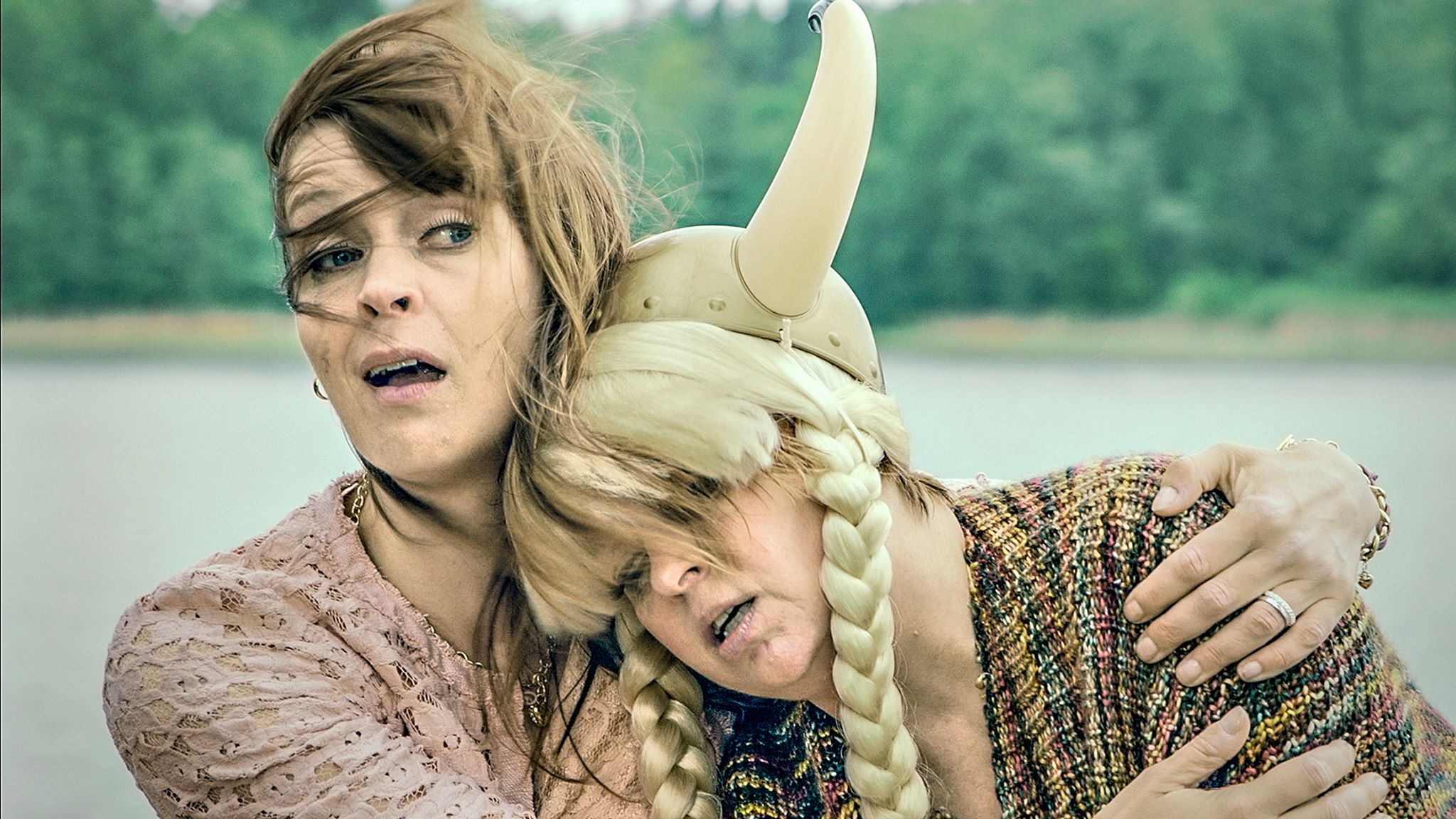
Fittingly, Mikko bumps into the lovely Linda (Sara Soulié), who invites him to spend Midsummer on an island owned by her wealthy family and old clan. Mikko believes he will spend a memorable Midsummer in the charming and traditional company of a wealthy family, and at the same time he will make up the missing money for his company - without knowing what awaits him.
Other roles include Hellen Willberg, Robert Enckell, Nina Hukkinen, Mikael Andersson, Max Bremer and Göran Schauman.
4. What really happened
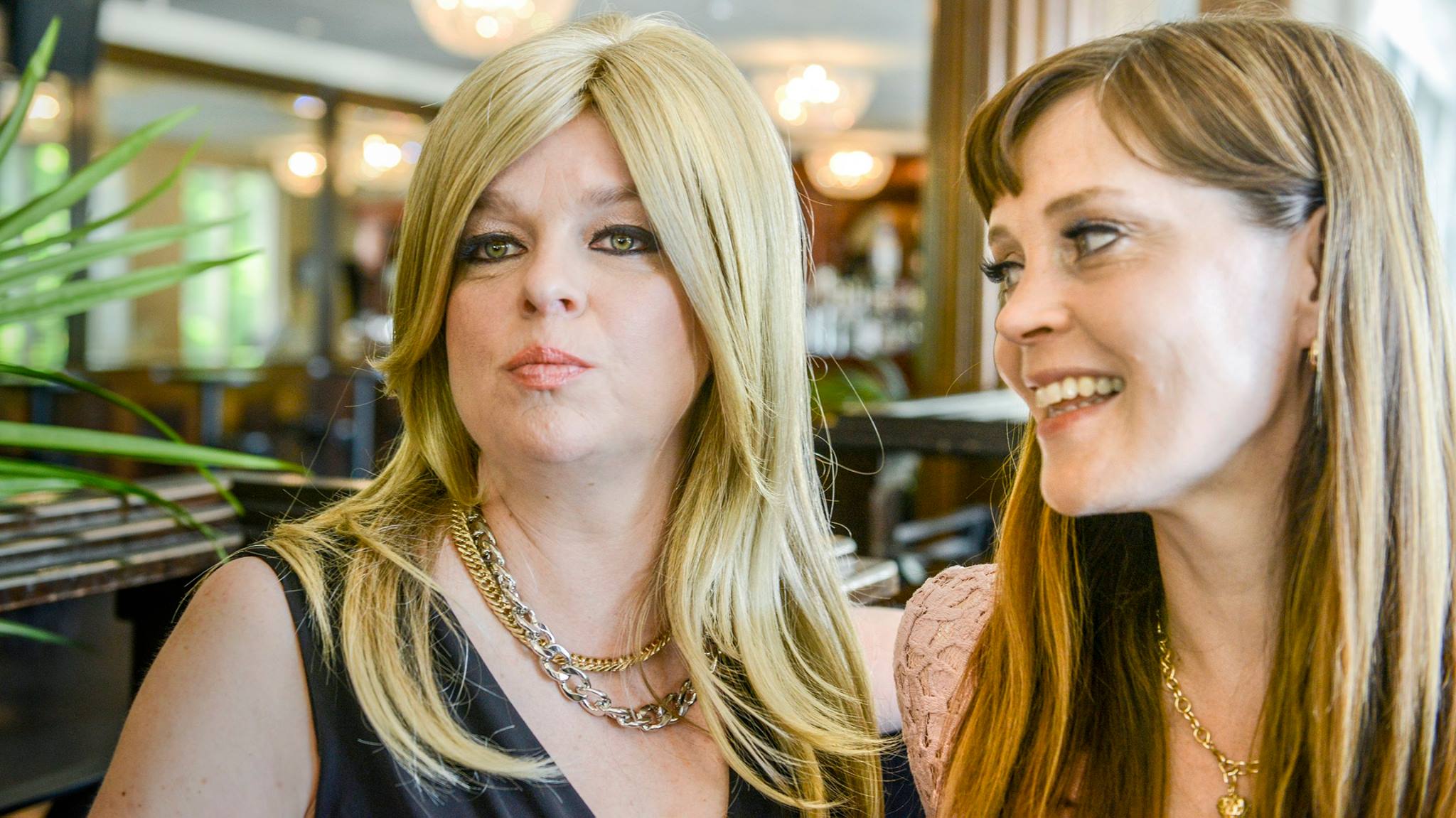
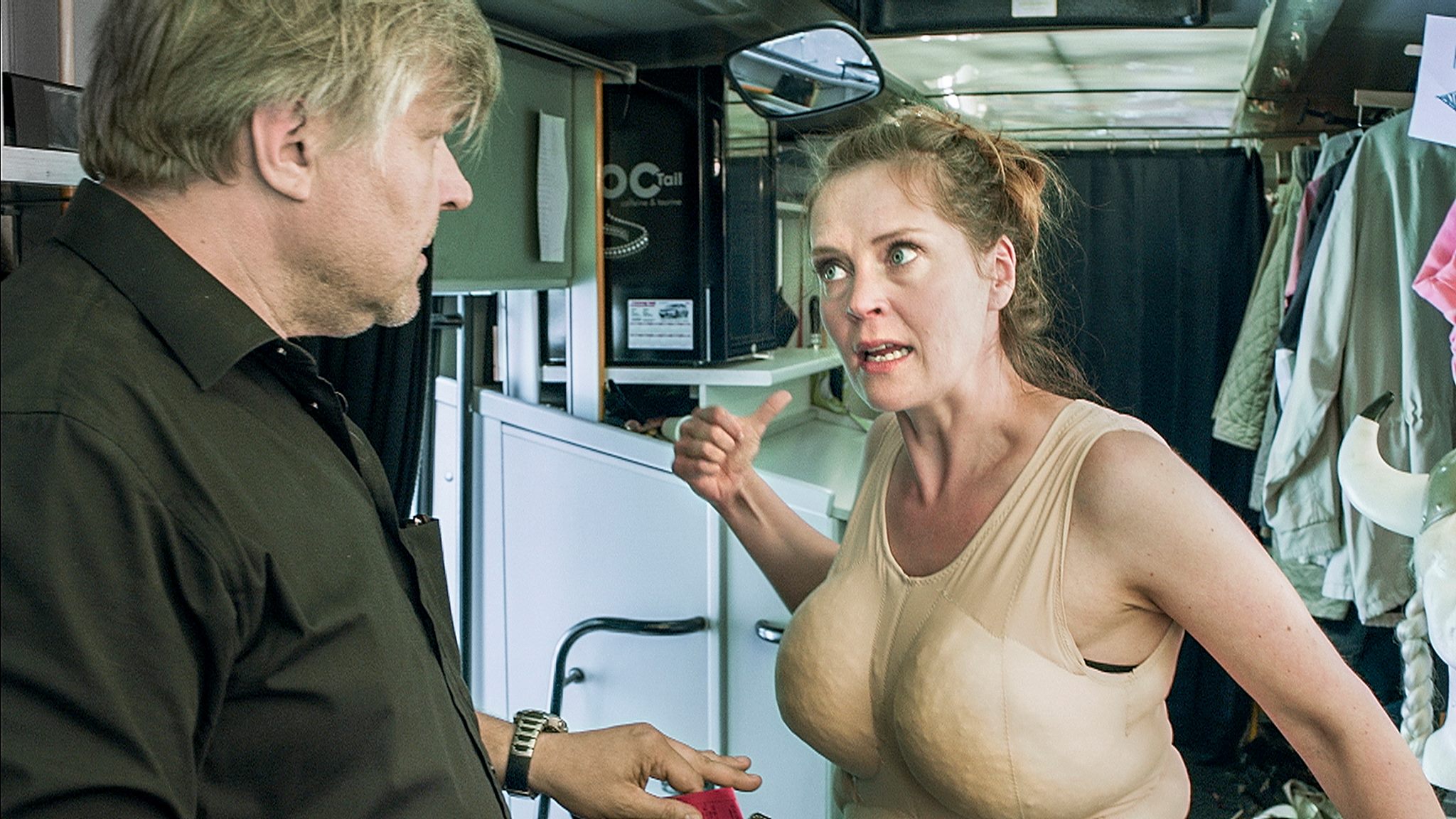
In the fourth episode, we are filming a TV series where the main actors Ellu (Elina Knihtilä) and TiinaTiina Lymi) are constantly challenging the director and demanding that he justify his choice of roles and his ideas about gender equality.
Schedules are behind, but the producer insists on tighter deadlines. Relations are strained and the actors' demands are growing. The director (Petri Kotwica) tries to control the chaos, which becomes more and more exorbitant.